Best App for Organizing Tasks: Building a System for Productivity
Modern work environments are more complex than ever. Professionals often juggle multiple projects, deadlines, meetings, and responsibilities simultaneously. Without a structured system for organizing tasks, even the most capable teams can struggle to maintain productivity.
Many individuals attempt to manage their work through memory, scattered notes, or email reminders. While these methods may work temporarily, they often lead to missed deadlines, duplicated efforts, and unnecessary stress.
This is why task management tools have become essential. The best apps for organizing tasks provide structure, clarity, and visibility, helping individuals and teams stay focused on what matters most.
What a Task Organization App Really Does

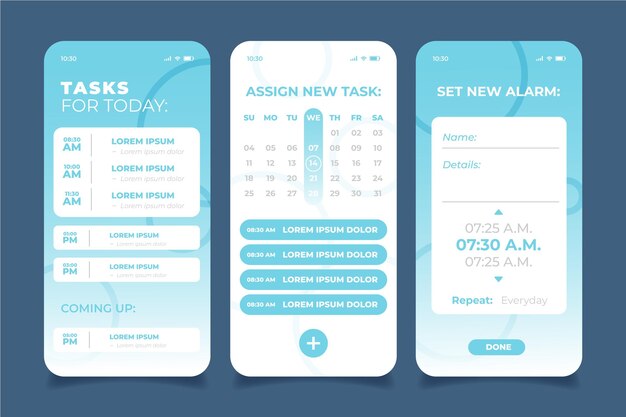
A task organization app is a digital platform designed to help users plan, track, and manage their work. It allows individuals and teams to create tasks, assign responsibilities, set deadlines, and monitor progress.
Beyond simple task lists, modern productivity applications often include features such as collaboration tools, project timelines, document integration, and workflow automation.
These systems transform work from a scattered set of activities into a structured process. By organizing tasks within a centralized environment, users gain better control over their time and responsibilities.
Why Individuals and Teams Need Task Management Tools
As organizations grow, managing tasks becomes increasingly difficult without proper systems in place. Communication spreads across multiple channels, responsibilities become less clear, and projects require coordination among different team members.
Task management tools solve this problem by creating transparency. Everyone involved in a project can see what needs to be done, who is responsible, and when deadlines must be met.
This clarity reduces confusion and improves accountability. Instead of constantly asking for updates or searching for information, teams can access real-time insights into project progress.
In fast-moving industries, this level of organization can significantly improve efficiency and decision-making.
Benefits of Using the Best App for Organizing Tasks

The best task management applications offer several important advantages.
One of the most valuable benefits is improved productivity. When tasks are clearly defined and prioritized, individuals can focus on execution rather than planning what to do next.
Another benefit is enhanced collaboration. Team members can communicate within the system, share updates, and track progress collectively.
Task management tools also help reduce missed deadlines. Automated reminders and structured timelines ensure that important milestones are not overlooked.
Perhaps most importantly, these platforms provide visibility into workload distribution. Managers can identify bottlenecks, adjust priorities, and allocate resources more effectively.
Together, these benefits help organizations operate with greater efficiency and coordination.
Challenges of Task Management Applications
Despite their advantages, task management tools can present challenges if not implemented properly.
One common issue is overcomplication. Some platforms introduce so many features that users feel overwhelmed. When systems become difficult to navigate, adoption rates decline.
Another challenge is inconsistent usage. If some team members rely on the system while others continue using personal methods, task visibility becomes fragmented.
There is also the learning curve associated with new productivity tools. Teams must invest time in understanding how to structure projects and workflows within the platform.
However, these challenges can be minimized by choosing tools that emphasize clarity, usability, and structured collaboration.
How Stakflows Helps Teams Organize Tasks Efficiently
Platforms like Stakflows demonstrate how modern productivity systems can go beyond simple task lists.
Developed by Don-Clem Technology, Stakflows provides a structured environment where tasks, workflows, and documentation are integrated into a single platform.
Rather than treating tasks as isolated items, Stakflows organizes them within broader project frameworks. Teams can assign responsibilities, track milestones, and collaborate seamlessly while maintaining full visibility over progress.
This approach helps organizations transform productivity from a reactive process into a structured workflow system.
By combining task organization with project management capabilities, Stakflows enables teams to work smarter, stay aligned, and achieve their goals more efficiently.
Conclusion
Finding the best app for organizing tasks is not simply about managing to-do lists. It is about creating a structured environment where work can be planned, tracked, and executed effectively.
Task management platforms improve productivity, enhance collaboration, and provide valuable insights into project performance. While challenges such as adoption and system complexity may arise, the right tool can significantly streamline operations.
Solutions like Stakflows show how modern productivity platforms can evolve beyond simple task tracking to become comprehensive workflow systems.