Custom Web Design: Why Businesses Are Moving Beyond Generic Websites
Custom Websites Are No Longer a Luxury
There was a time when simply having a website was enough for businesses to stand out. Today, that is no longer the case.
Modern customers judge businesses online within seconds. If a website feels outdated, confusing, or generic, trust drops immediately. This is one of the reasons custom web design has become increasingly important for businesses trying to compete in a crowded digital environment.
A custom website is not just about appearance. It is about building a platform that reflects the identity, goals, and structure of a business.
What Custom Web Design Actually Means
Many people assume custom web design simply means creating a visually unique website. While design is part of it, the concept goes much deeper.
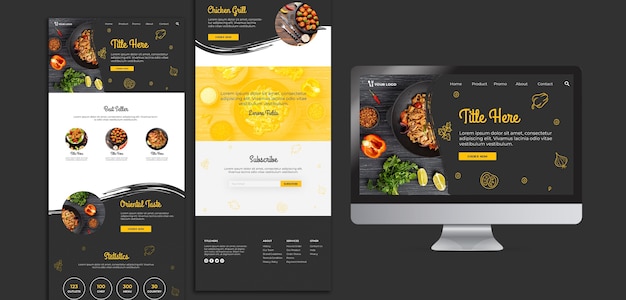
Custom web design involves building a website specifically around a business’s needs instead of forcing the business into a pre-made structure.
This includes:
- Tailored user experience
- Custom layouts and branding
- Scalable functionality
- Optimized performance
- Better integration with business systems
Instead of adapting to a template, the website is designed to support how the business actually operates.
Why Generic Templates Often Become a Problem
Website templates are attractive because they are fast and inexpensive. However, businesses often discover their limitations over time.
Many templates are built to serve broad audiences, which means they rarely align perfectly with specific business goals. As companies grow, they begin to encounter issues such as:
- Limited customization
- Slower performance due to unnecessary features
- Poor scalability
- Generic user experience
- Difficulty integrating advanced functionality
What initially appears cost-effective can eventually create operational and branding limitations.
User Experience Is the Real Competitive Advantage
One of the biggest advantages of custom web design is control over user experience.
A well-designed custom website guides users intentionally. Navigation, layout, content placement, and calls-to-action are structured around how visitors think and behave.
This creates a smoother experience, which often leads to:
- Higher engagement
- Better conversion rates
- Increased trust
- Improved customer retention
In many cases, businesses underestimate how much website structure influences customer decisions.
Performance and Scalability Matter More Than Ever
Modern websites are expected to do more than display information. They handle transactions, automate workflows, collect data, and integrate with multiple digital systems.
As these demands increase, scalability becomes critical.
Custom-built websites are typically better positioned for long-term growth because they are designed with flexibility in mind. Instead of rebuilding from scratch every few years, businesses can expand functionality as their needs evolve.
This makes custom web design less of a short-term expense and more of a long-term investment.
Why Businesses Are Investing More in Custom Design
The shift toward custom web design reflects a broader change in how businesses view digital platforms.
Websites are no longer treated as online brochures. They are now central to:
- Brand perception
- Customer acquisition
- Operations and automation
- Revenue generation
Because of this, businesses are becoming more intentional about how their websites are designed and developed.
How Don-Clem Technology Approaches Custom Web Design
At Don-Clem Technology, custom web design is approached strategically rather than cosmetically.
Instead of simply building visually appealing pages, the focus is placed on understanding business goals, user behaviour, and long-term scalability.
This includes:
- Designing user-focused interfaces
- Building scalable systems
- Optimizing website performance
- Creating structures that support growth
The goal is not just to launch a website, but to create a platform that continues to deliver value as the business evolves.
In summary…
Custom web design is becoming increasingly important because businesses need more than just online presence, they need digital platforms that perform effectively.
While templates may work for short-term needs, custom-built websites provide better flexibility, scalability, and user experience over time.
As competition online continues to grow, businesses that invest in intentional, user-focused web design will be in a stronger position to build trust, improve engagement, and scale sustainably.