Free Content Calendar Template: The Complete Guide to Planning Better Content
Why Every Successful Content Strategy Starts with a Calendar
Creating great content is only part of a successful marketing strategy. Without proper planning, even the best ideas can become inconsistent, delayed, or disconnected from business goals.
Many businesses struggle with publishing regularly because content is created at the last minute. Deadlines are missed, campaigns overlap, and teams lose visibility into what should be published next. Over time, this creates confusion, slows down productivity, and reduces the effectiveness of marketing campaigns.
A content calendar solves these problems by giving teams a structured way to organize ideas, assign responsibilities, and schedule content well in advance. Instead of wondering what to post each day, businesses can focus on creating valuable content that supports their marketing objectives.
Whether you're a solo content creator, a startup, or a large marketing department, having a content calendar is one of the simplest ways to improve consistency and achieve better results.
What Is a Content Calendar?

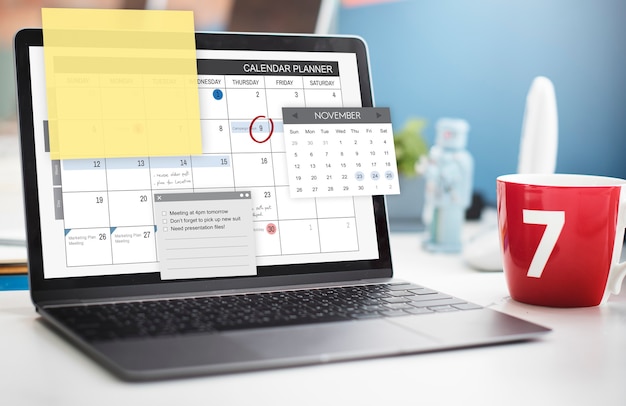
A content calendar is a planning tool used to organize, schedule, and manage content across different marketing channels over a specific period.
Rather than keeping ideas in notebooks or scattered across emails and chat messages, a content calendar provides a centralized view of all planned piece of content.
A typical content calendar may include:
- Blog articles
- Social media posts
- Email newsletters
- Videos
- Product launches
- Promotional campaigns
- Seasonal content
- Company announcements
In addition to publication dates, content calendars often include the content owner, approval status, target audience, keywords, distribution channels, and campaign objectives.
This level of organization allows everyone involved in the content creation process to stay aligned.
Why Businesses Need a Content Calendar
Consistency is one of the biggest factors behind successful content marketing.
Without a clear publishing schedule, businesses often experience long periods of inactivity followed by rushed content production. This inconsistency can weaken audience engagement and reduce brand visibility.
A well-planned content calendar helps businesses:
- Publish consistently across all platforms.
- Coordinate campaigns more effectively.
- Avoid duplicate or repetitive topics.
- Align content with business goals and product launches.
- Improve collaboration between writers, designers, and marketers.
- Reduce last-minute pressure and missed deadlines.
Instead of reacting to content needs as they arise, businesses can proactively plan weeks or even months ahead.
What Should a Good Content Calendar Include?

An effective content calendar goes beyond listing dates. It should provide enough detail for every team member to understand what needs to be created and when.
Essential elements include:
- Content title or topic
- Target keyword
- Publishing date
- Content format (blog, social media, video, email, etc.)
- Assigned writer or creator
- Design requirements
- Approval status
- Publishing platform
- Campaign objective
- Notes or supporting resources
Having all this information in one place makes it easier to monitor progress and identify potential bottlenecks before they affect publishing schedules.
Where Can You Get Free Content Calendar Templates?
If you're just starting, there are several platforms that offer free content calendar templates suitable for individuals and small teams.
Some of the most popular options include:
- Stakflows: STAKFLOWS is an intuitive, multi tenant execution platform designed to unify the entire project delivery cycle for organizations. It centralizes collaboration by providing specialized, modular tools for Project Managers, Business Analysts, Developers, QA Teams, and Digital Marketers within a single, secure workspace.
- Google Sheets: Simple, cloud-based templates that are easy to share and customize.
- Microsoft Excel: Ideal for businesses that prefer offline planning with familiar spreadsheet tools.
- Notion: Offers customizable content planning databases with collaborative features.
- Trello: Uses boards and cards to visualize content workflows.
- Airtable: Combines spreadsheet functionality with database capabilities for more advanced planning.
- Canva: Provides visually appealing content planners that can be customized for different campaigns.
These templates are excellent for getting started because they are free, flexible, and relatively easy to use.
The Limitations of Free Templates
Although free templates provide a good starting point, they are not always suitable for growing businesses.
As content teams become larger and marketing campaigns become more complex, spreadsheets can quickly become difficult to manage.
Some common limitations include:
- Manual updates
- Limited collaboration features
- No approval workflows
- Difficulty tracking progress
- Lack of task management
- Poor visibility across multiple campaigns
- No integration with other business tools
As a result, many organizations eventually move beyond static templates to platforms designed specifically for collaborative workflow management.
How Stakflows Makes Content Planning More Efficient

While templates help organize ideas, Stakflows transforms content planning into a complete workflow management process.
Instead of maintaining multiple spreadsheets, documents, and messaging threads, teams can plan, assign, review, and monitor content from one centralized platform.
With Stakflows, marketing teams can:
- Create and organize content calendars.
- Assign responsibilities to team members.
- Track content progress from idea to publication.
- Manage approvals more efficiently.
- Monitor deadlines in real time.
- Collaborate seamlessly across departments.
- Keep all project-related discussions and updates in one place.
This integrated approach reduces confusion, improves accountability, and helps teams deliver content more consistently without relying on scattered tools.
For businesses managing multiple brands, campaigns, or contributors, Staksflow provides the structure needed to keep every project moving smoothly.
The Future of Content Planning
Content marketing continues to evolve, and so do the tools used to manage it.
Modern content operations increasingly rely on automation, artificial intelligence, and collaborative platforms to improve efficiency and decision-making.
In the coming years, businesses can expect content planning tools to offer:
- AI-assisted content scheduling
- Automated reminders and task assignments
- Content performance insights
- Cross-platform publishing integrations
- Real-time collaboration
- Smarter workflow automation
Organizations that embrace these technologies will be better equipped to produce high-quality content consistently while adapting quickly to changing marketing demands.
In summary…
A free content calendar template is an excellent starting point for organizing your marketing activities, but effective content planning goes beyond simply filling in dates on a spreadsheet.
Successful content strategies require collaboration, visibility, accountability, and structured workflows that enable teams to create and publish consistently.
As businesses grow, adopting a platform like Stakflows can help transform content planning from a manual task into a streamlined, collaborative process that supports long-term marketing success.
Whether you're managing a personal blog or leading a large marketing team, investing in better content planning today will help you build stronger, more consistent digital engagement tomorrow.