Customer Payment Plan Management for UK Service Firms
Customer payment plan management should connect the commercial offer to one customer record, a defined instalment schedule, clear service-release rules, failed-payment handling and financial reconciliation. A payment option is not complete when checkout accepts the first instalment. It is complete when every team knows the current status, next action and customer promise.
What the UK festival sector reported in August 2026
Reuters reported on 8 August 2026 that British music festivals were showing tentative signs of recovery during the current season. Its festival-sector report said several events had sold quickly and organizers viewed payment plans as important while customers remained selective and expected more for their spend.
The same report said 36 events had been cancelled during 2026, based on Association of Independent Festivals information. It also reported that about 45% of camping-festival tickets sold through Kaboodle typically used a payment plan. These figures do not describe every UK event.
Two days earlier, Ticket Tailor published an interview with the Association of Independent Festivals. It described wider adoption of payment plans as one factor supporting earlier and stronger sales, while making clear that costs and thin margins remained serious.
The operational lesson is not that every business should offer instalments. It is that commercial flexibility changes the work after the sale.
Why customer payment plan management matters
A plan creates a continuing obligation with several dates, balances and decisions.
Checkout can move faster than fulfilment rules
Marketing may advertise a low deposit before operations decides whether it reserves a slot, releases materials or merely opens an enquiry. Customers can then receive different promises.
Payment status can become fragmented
The payment provider records transactions. The CRM records the customer. Accounting records invoices. Scheduling records the job. If the plan identity is not shared, staff may see a successful instalment without seeing an overdue balance or approved change.
Failed payments create a service decision
A failed instalment is not only a finance exception. Someone must decide whether to retry, contact the customer, pause delivery, preserve a booking or escalate a vulnerability concern. Silence can lead to an avoidable cancellation; automatic continuation can expose the business to loss.
Flexibility raises the standard of communication
Customers need the total price, payment dates, fees where applicable, remaining balance and consequences of a missed payment stated clearly. Internal teams need the same interpretation. Obtain appropriate legal and financial advice where a proposed arrangement may fall within consumer-credit or other regulated requirements.
Stripe’s guide to payment-plan risks notes that instalments bring slower cash receipt, missed-payment risk, operational overhead and more involved accounting. These are operating design questions, not merely checkout settings.
A seven-part customer payment plan management process
- Define the plan and its purpose: State which services qualify, the minimum deposit, instalment dates, final payment date and whether delivery occurs before or after full payment. Document who may approve an exception. Start with the customer barrier being addressed. Do not add instalments simply because a payment provider offers the button.
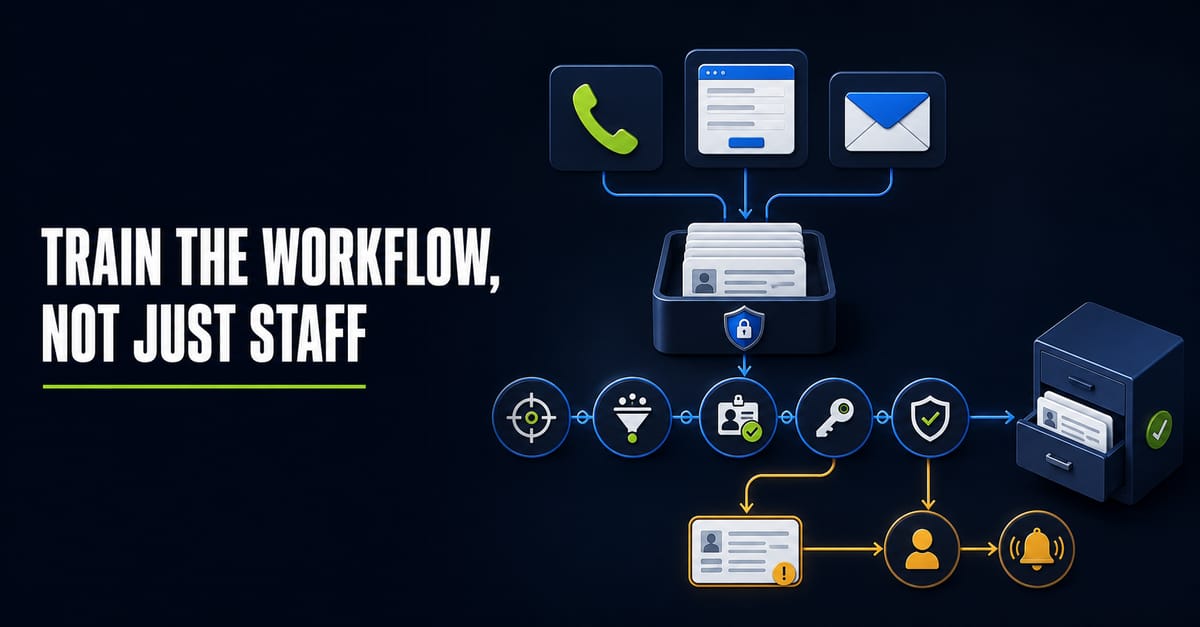
- Create one plan identity: Connect the customer, quote or order, total price, schedule, transaction references and service record. Preserve the original agreed terms and record later changes separately. An IT consulting review can map where commercial, payment and delivery decisions currently live before a system change is proposed.
- Use controlled status definitions: Define statuses such as offered, accepted, deposit received, active, action required, overdue, paused, completed, cancelled and refunded. Each status should have an entry rule, owner and permitted next action. Avoid treating “active” as sufficient. A plan can be active while the next instalment, customer action or service decision is overdue.
- Link payment to delivery gates: For each operational milestone, state the payment condition. Examples include reserving an appointment, ordering parts, assigning a specialist, beginning work or releasing final documentation. The scheduler should see whether the condition is satisfied without interpreting a separate finance spreadsheet.
- Design the failed-payment route: Record the failure, reason category where available, permitted retry, customer message and response deadline. Assign a named role for cases that remain unresolved. Communication should explain the next step without exposing sensitive payment data. Do not let automatic retries substitute for an agreed policy.
- Control changes, cancellations and refunds: Define who can move a date, replace a payment method, vary the service, cancel the plan or approve a refund. Record the effect on the outstanding balance and delivery commitments. Where approved rules need to connect the website, CRM, payment provider and scheduling system, custom software development may be considered after those rules are settled.
- Reconcile the customer and financial record: Review successful instalments, failed attempts, fees, refunds, chargebacks, completed services and outstanding balances. Resolve differences before closing the plan. Management reporting should separate demand created, cash collected, work committed, work delivered and balances at risk.
An illustrative property-service example
Consider a property-maintenance company quoting for a major heating-system replacement. The customer accepts a deposit followed by two staged payments.
In an uncontrolled process, the website records the deposit, finance tracks later payments and the scheduler books installation from an email. When the second payment fails, finance sends a reminder but the engineer still receives the job. The customer believes the date is protected, while operations does not know whether parts may be ordered.
In a controlled process, the payment plan is connected to the quote and job. The deposit reserves a provisional slot. The second cleared payment authorizes parts ordering. A failure creates a review task for an identified role and pauses only the affected commitment. The customer receives a clear route to update the payment method or discuss the plan.
This is an illustrative scenario, not a Don-Clem Technology customer result or financial recommendation.
What technology should and should not do
Technology should connect the plan to the correct customer and service, show instalment and balance status, trigger approved reminders, restrict access to payment data, apply delivery gates, route exceptions and preserve an audit history. It should make the next responsible action visible across authorized teams.
Technology should not decide whether a customer is suitable for credit, hide the total cost behind a small instalment, order materials after an ambiguous status, cancel a vulnerable customer’s service without review or replace professional legal and financial judgement.
The Don-Clem Technology blog can host further practical guidance on connecting customer promises to accountable workflows.
Frequently asked questions
Is a payment plan the same as a subscription?
No. A payment plan normally pays down a fixed purchase with an agreed endpoint. A subscription pays for continuing access or service until it ends under its terms.
Should service start before the final instalment?
Only where the commercial terms, risk, customer communication and delivery controls support it. Define the exact payment gate for each commitment.
Who should own a failed payment?
Assign one accountable role. Finance may identify the failure, but customer service or operations may need to decide the next communication and delivery action.
What should managers measure?
Track plans accepted, cash collected, overdue balances, failed-payment resolution, cancellations, refunds and service commitments affected. Review customer complaints alongside financial results.
Conclusion
Customer payment plan management turns flexibility into a controlled promise. Define eligibility, create one plan identity, connect payments to delivery gates, assign failed-payment ownership and reconcile the customer, service and financial records.
Message me CHECKLIST for the customer payment-plan workflow checklist.