Cyber Security Alert Escalation Process for UK SMEs
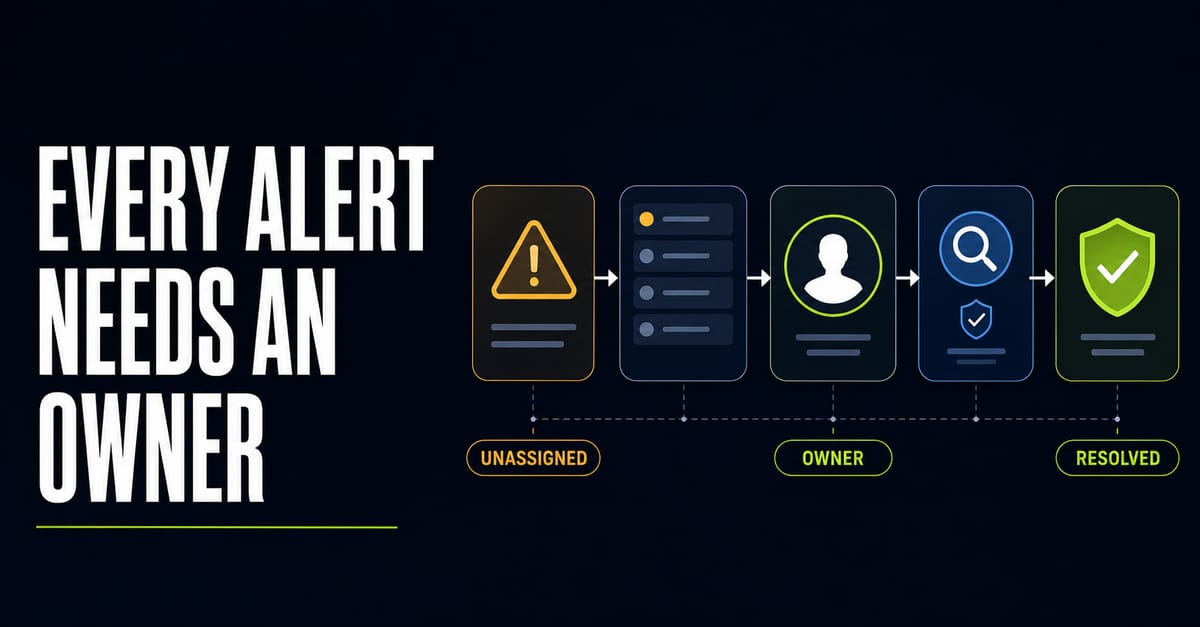
A cyber security alert escalation process should give every serious warning a named owner, a response deadline, a severity level, an evidence record and a clear route to an authorised decision-maker. Without those controls, monitoring software can report danger while the organisation still fails to act.
That is the practical lesson for organisations handling candidate, tenant, patient, customer or employee information. The problem is the gap between detection and accountable action.
What happened at ACRO
On 12 August 2026, the Information Commissioner’s Office published a reprimand of ACRO Criminal Records Office. The ICO said a hacker gained unauthorised access to ACRO’s website and content management system between August 2022 and March 2023.
Personal information relating to as many as 10,920 people may have been affected, including identity, financial, biometric and criminal-offence information. The ICO also said ACRO could not determine conclusively whether staged information had been removed.
The regulator’s findings were operational as well as technical. Its ACRO reprimand and advice said responsibilities for critical security updates were unclear, patch management was ineffective and relevant alerts were not adequately investigated. The ICO stressed that policies, responsibilities and oversight matter alongside technology.
Reporting published by The Record on 12 August added detail from the full reprimand. It reported evidence of three intrusions between July 2021 and June 2023, antivirus warnings that went unheeded and insufficient logging to establish whether staged data had been taken. The event period is therefore different from the regulator’s publication date.
Why this matters to organizations with 15 to 100 staff
Medium-sized operational teams often work across a website, CRM, telephony platform, email, shared documents and specialist supplier systems. Responsibility can be split between an internal manager, a software provider, a managed IT company and senior leadership.
That arrangement works only when hand-offs are explicit. A supplier may monitor infrastructure without owning the decision to suspend a portal. An operations lead may see unusual activity but lack authority to isolate an account. A director may assume the provider is investigating while it waits for approval.
Healthcare recruitment agencies may hold right-to-work evidence, identity documents, employment history and training records. Estate agencies may hold identity, tenancy and payment information. Contact centres may process data across multiple client systems. A missed alert can therefore become a service, privacy and trust problem.
The National Cyber Security Centre says a basic incident-response plan should include key contacts, escalation criteria and a process covering the incident lifecycle. Its incident-response process guidance also recommends planning for the possibility that key people are unavailable.
The hidden cost of an incomplete cyber security alert escalation process
- Alerts can be visible without being controlled
A notification on a dashboard proves that a tool detected something. It does not prove that anyone acknowledged it, assessed its business impact or acted within an acceptable time.
- Supplier boundaries create assumption gaps
Contracts often describe services broadly but leave operational questions unanswered. Who checks for critical updates? Who applies them? Who tests the change? Who reviews alerts outside normal hours? Who can approve containment?
- Poor records weaken later decisions
If the organisation does not record the alert, evidence reviewed, decisions taken and times of action, leaders may struggle to reconstruct the event. That affects recovery, customer communication, regulatory assessment and improvement work.
- Delay spreads beyond IT
A compromised portal can interrupt applications, enquiries, bookings or casework. Staff then move to email, spreadsheets or calls, creating manual backlogs and further data-handling risks. Incident response is therefore part of operational continuity, not a separate technical exercise.
A five-control alert ownership framework
1. Assign a primary owner and deputy
Every alert category should have a role responsible for acknowledgement and coordination. Name a deputy for absence, leave or out-of-hours cover. Ownership means progressing the alert, not necessarily resolving every technical issue personally.
2. Set acknowledgement and action deadlines
Define different targets for critical, high, medium and low-severity alerts. The clock should start when the alert is generated, not when somebody happens to read it. Record both acknowledgement and first action.
3. Define escalation triggers
Specify when an alert must move to senior management, the data-protection lead, an external provider or legal advisers. Triggers can include suspected access to personal information, loss of service, repeated failed logins, privileged-account activity or inability to confirm containment.
4. Keep one evidence trail
Capture the original alert, assigned owner, timestamps, evidence considered, containment steps, approvals and status changes. Do not let the incident history fragment across chat messages, personal inboxes and telephone calls.
5. Test the supplier hand-off
Run a short scenario with internal and external participants. Confirm who receives the alert, who can make urgent changes, what happens if the first contact is unavailable and where the record is kept.
The NCSC’s small-organization guide provides a useful baseline for wider controls around devices, accounts, backups and scams.
Don-Clem Technology’s IT consulting and product auditing services can support the review of ownership, system hand-offs and operational gaps. Where existing tools cannot support the agreed process, custom software development may be relevant after the workflow has been defined.
Illustrative example: a care staffing agency
Consider an illustrative agency with recruiters, compliance staff and an external IT provider. Its candidate portal generates repeated warnings about unusual administrator activity on a Friday evening.
In a weak process, the warnings enter a shared mailbox. The compliance manager assumes IT will act. The provider’s contract covers monitoring but requires an internal instruction before disabling access. By Monday, nobody can state who assessed the warnings or what evidence was preserved.
In a controlled process, the first warning creates an incident record, assigns the on-call owner and starts the acknowledgement deadline. A defined trigger brings in the data-protection lead. The provider has pre-agreed authority to suspend the affected account while preserving logs. Leadership receives a concise status based on recorded facts.
This example is not a Don-Clem customer result. It shows how ownership changes the quality and speed of decisions without depending on a larger team.
What technology should and should not do
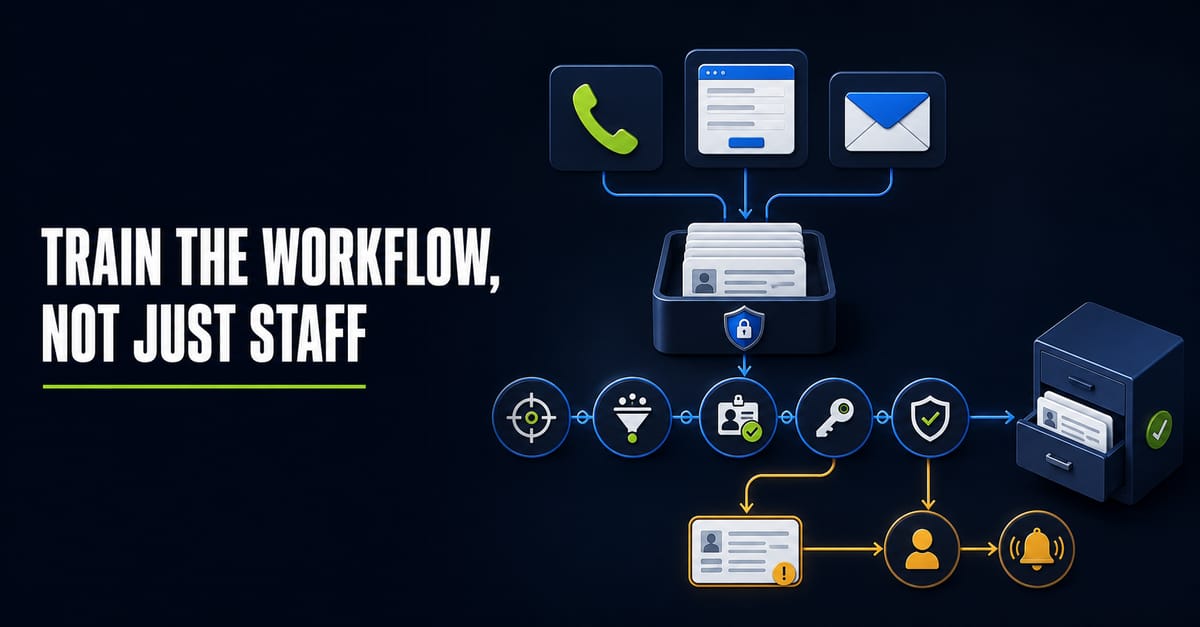
Technology should route alerts, apply severity rules, notify the right people, record timestamps, preserve evidence and show whether an item is acknowledged or overdue. Business-service systems should make responsibility visible across teams and suppliers.
Technology should not decide every business consequence, replace an accountable owner or hide uncertainty behind a green status. It should not automatically close alerts simply because a system returned to normal. Human judgement remains necessary when customer data, service continuity or regulatory duties may be involved.
Frequently asked questions
- Who should own a cyber security alert?
Assign a role with authority to coordinate the response. Technical specialists may investigate, but one person should remain accountable for progression and escalation.
- Should an external IT provider own every alert?
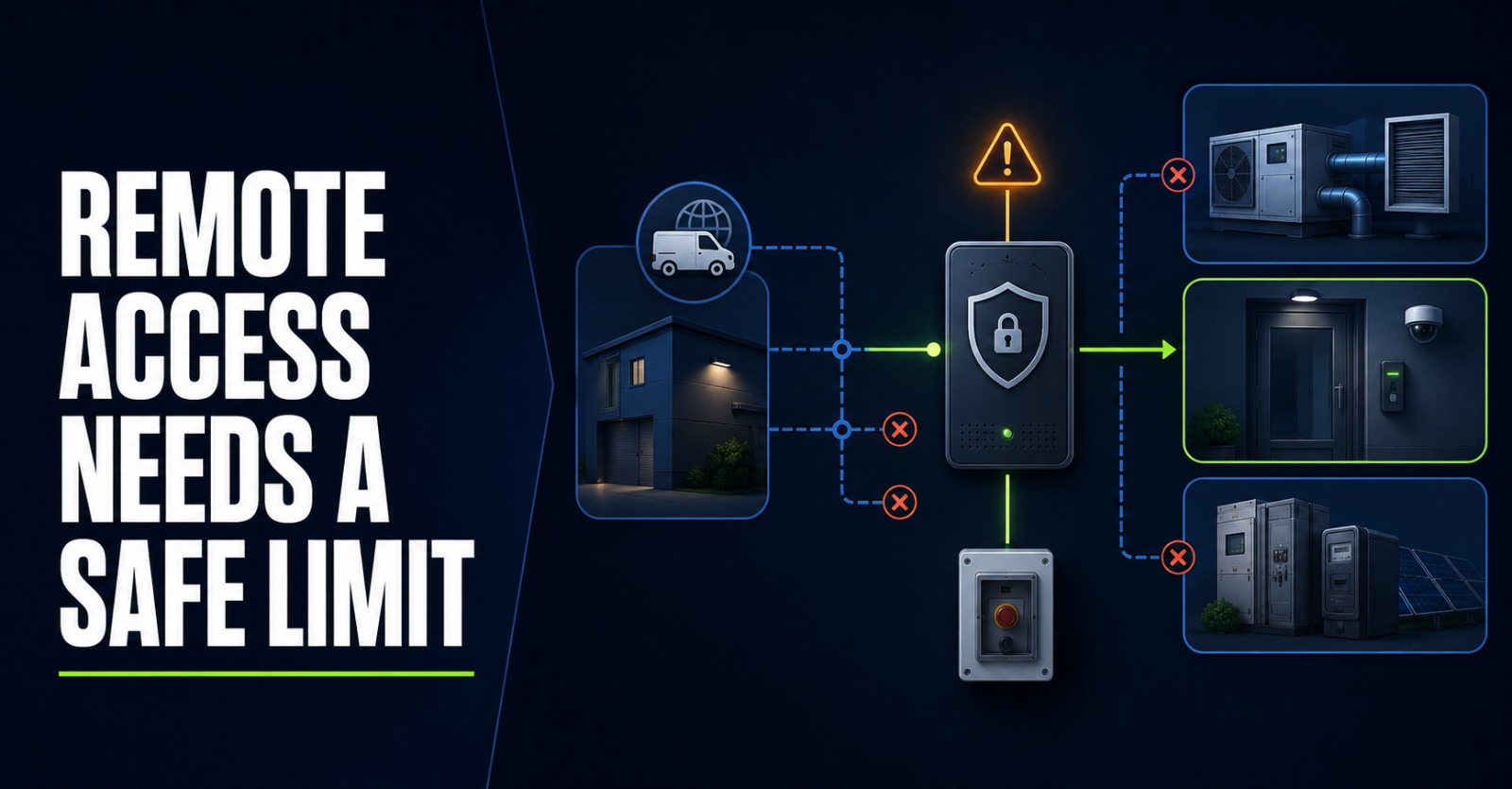
Not automatically. The provider may own technical monitoring while your organisation retains decisions about service suspension, customer communication and data-protection response. Document the boundary.
- What should an incident record contain?
Record the alert, severity, owner, times, evidence, decisions, actions, approvals, communications and closure rationale.
- How often should the process be tested?
Test it regularly and after material changes to systems, suppliers or responsible roles. A short scenario is enough to expose unclear contacts and authority gaps.
Conclusion
The ACRO reprimand is a current reminder that security tools cannot compensate for missing ownership. A practical process connects each alert to a person, deadline, decision route and evidence trail.