How to Build a Social Value KPI Reporting Process
A social value KPI reporting process should convert every jobs or skills promise in a public-sector bid into an owned delivery record. That record needs a defined measure, location, target group, deadline and evidence requirement. Without this control, the bid team can win marks for a commitment that the delivery team cannot reliably fulfil or report.
The practical priority is continuity. The promise must remain visible from tender submission through mobilisation, service delivery, evidence collection and formal reporting.
What changed on 5 August 2026
The Cabinet Office announced new jobs and skills procurement rules on 5 August 2026. For central government procurements, the changes take effect on 1 January 2027 after detailed technical guidance expected in autumn 2026.
The Government said the score for benefits to local communities will rise from 10% to 20% for contracts worth £5 million or more. It also said that, for major contracts, departments will allocate a key performance indicator and publish annual progress so supplier performance can be measured against commitments.
The Financial Times report on the announcement explains that the revised model will focus social requirements on jobs, skills and opportunities in Britain. The official announcement says the threshold will be raised so the requirements do not typically apply below £1 million, helping smaller firms avoid disproportionate bidding work.
This is a policy development, not legal advice. Suppliers should review the forthcoming technical guidance and the requirements of each procurement.
Why social value KPI reporting matters after contract award
Service suppliers often treat social value as a tender section. The bid team gathers ideas from HR, operations and community partners, converts them into commitments, submits the response and moves to the next opportunity.
Delivery begins months later. The contract manager may receive the service specification but not the assumptions behind a work-placement promise. HR may recruit apprentices without knowing the required location. A training partner may count attendance while the contract requires completion. Finance may hold invoices but not evidence of the participant outcome.
The problem is not necessarily a lack of goodwill. It is a broken chain of ownership.
The existing PPN 002 Social Value Model guide already says contract managers should manage social-value deliverables against the winning tender and that commitments must be collected, recorded and monitored throughout the contract lifespan. The new announcement raises the commercial importance of doing this reliably.
Poor control creates several risks:
- A commitment is interpreted differently by bidding and delivery teams.
- Activity happens outside the required area or target group.
- Evidence is incomplete, inconsistent or collected too late.
- Subcontractor activity is reported without validation.
- Leaders see a year-end shortfall after corrective action is no longer practical.
- Public reporting does not match the underlying operational record.
A seven-step social value KPI reporting process
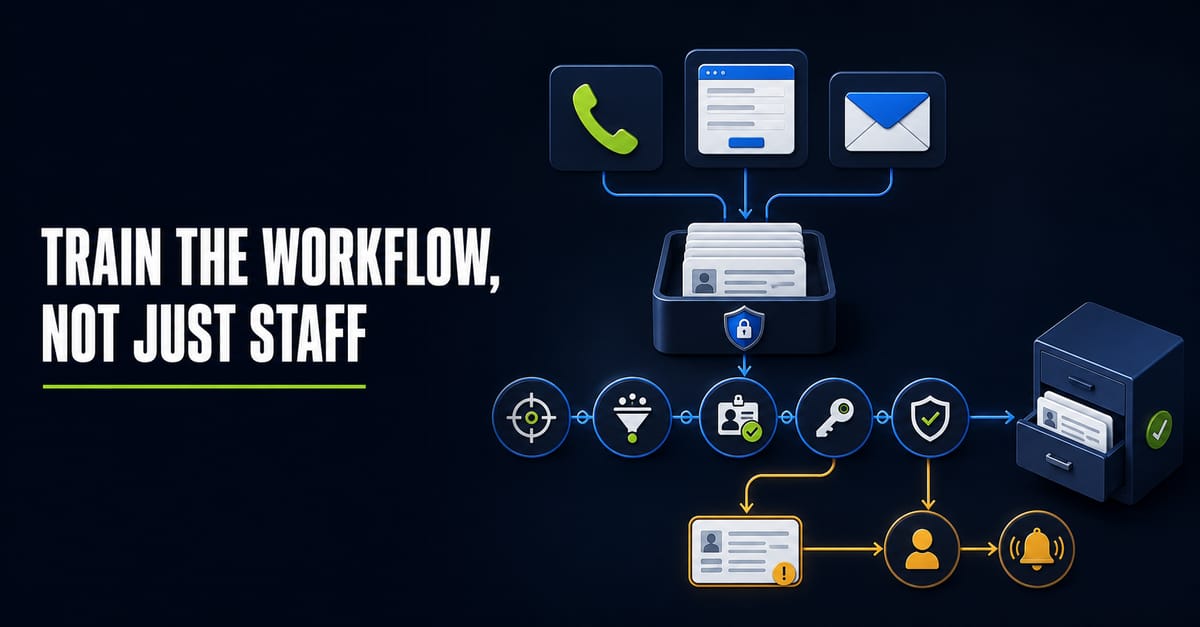
- Convert the tender promise into a delivery record: Do not leave the commitment inside a long tender document. Create a record containing the exact promise, contract reference, delivery period, location, intended beneficiary, measure and dependencies. Preserve the approved wording so later teams do not quietly change the obligation.
- Assign one accountable owner: Several functions may contribute, but one person should own the outcome. Record who can approve changes, who supplies evidence and who escalates a forecast shortfall. A shared department name is not enough.
- Define the measure before activity starts: Clarify whether the commitment concerns jobs created, apprenticeships started, training completed, work-experience days delivered or another outcome. Define the unit, inclusion rules, exclusions and reporting period. This prevents attractive totals built from unlike activities.
- Set milestones and exception thresholds: Break an annual promise into realistic mobilisation, recruitment, delivery and evidence milestones. Review forecast delivery as well as completed activity. If a training cohort is delayed, the owner should see the risk before the annual reporting date.
- Specify acceptable evidence and access controls: Decide what proves the outcome, who validates it and where it will be retained. Participant records may contain personal information, so the operational view should show delivery status without giving every user unrestricted access to underlying documents.
- Connect partners and subcontractors: If another organisation delivers part of the commitment, define its reporting format, deadline and validation responsibility in advance. The main supplier remains responsible for understanding what evidence supports the reported figure.
- Review and report from the same record: Use a regular review to examine delivery, forecast, overdue evidence and unresolved exceptions. The annual return should come from the controlled record used to manage the work, not a retrospective search through inboxes and spreadsheets.
An IT consulting review can help map this journey and define ownership before any platform is changed. If the agreed process requires controlled integrations or a purpose-built record, custom software development (https://www.donclemtech.com/services/software-development) may be considered after the reporting rules and responsibilities are clear. Related practical guidance can also be organised through the Don-Clem Technology blog (https://www.donclemtech.com/blog).
An illustrative contact-centre example
Consider a BPO bidding for a public customer-support contract. Its tender promises local work placements and structured training for people entering contact-centre roles.
After award, the bid response sits in the procurement folder. HR arranges candidates, an external provider delivers training, operations records attendance and the contract manager prepares the client report. Each team holds part of the evidence, but nobody can confirm whether the participant, location, completed days and agreed outcome meet the original commitment.
A controlled process creates one commitment record during mobilisation. It names the contract manager as accountable owner, defines the eligible group and location, records planned and completed days, links validated evidence and flags any shortfall before the reporting deadline.
This is an illustrative operating example, not a Don-Clem Technology customer result.
What technology should and should not do
Technology should show the commitment, owner, measure, milestones, evidence status and exceptions in one controlled view. It should preserve changes, restrict sensitive records by role, remind responsible people before deadlines and support a traceable report.
Technology should not invent impact, count activity without agreed rules, approve weak evidence, decide whether a participant belongs to a sensitive target group or replace contractual and professional judgement. It should also not copy every personal document into one unrestricted platform merely to simplify reporting.
The system supports accountability. It does not transfer responsibility away from the supplier or contract manager.
Frequently asked questions
- What is social value KPI reporting?: It is the process of measuring, evidencing and reporting the wider outcomes promised through a public contract, such as jobs, apprenticeships, skills or work experience.
- Who should own a social value commitment?: One accountable contract or operational owner should control the outcome, even when HR, delivery teams, partners and finance contribute evidence.
- When should the reporting process be designed?: Before the bid is submitted. This allows the supplier to test whether the commitment is deliverable, measurable and supported by the required people and evidence.
- Does every activity need personal data?: No. Collect only what is necessary for the measure, evidence and applicable requirements. Apply suitable access, retention and validation controls.
- Can a spreadsheet manage the process?: It can support a small, controlled pilot if ownership, definitions, evidence links, version control and review dates are clear. It becomes risky when several teams maintain separate copies.
Conclusion
Stronger procurement weighting will make jobs and skills promises more commercially significant. The reliable response is not a more persuasive paragraph. It is a social value KPI reporting process that gives every commitment a named owner, clear measure, delivery timetable and defensible evidence.